Introduction
In today’s fast-paced and demanding world, stress has become an inevitable part of our lives. The constant pressure and overwhelming responsibilities can lead to burnout, a state of chronic physical and emotional exhaustion. However, by mastering the art of stress management, we can transform our lives from burnout to bliss. This article explores the concept of burnout, its signs and symptoms, and the impact of stress on health and provides effective techniques for managing stress.
Understanding Burnout
Burnout is a condition characterized by persistent and overwhelming stress, leaving individuals feeling emotionally drained and incapable of coping with the ongoing demands of their work, personal life, or a combination of both. It is often accompanied by feelings of cynicism, detachment, and a reduced sense of accomplishment. Burnout can affect various aspects of life, including physical health, mental well-being, relationships, and overall quality of life.
What is burnout?
Burnout is a psychological state characterized by chronic stress, emotional exhaustion, and depersonalization or cynicism towards work or personal responsibilities.
What causes burnout?
Burnout can be caused by various factors, such as excessive workload, lack of control over one’s work, a lack of support or recognition, and a misalignment between personal values and organizational culture.
How does burnout differ from stress?
While stress is a normal response to demanding situations, burnout is a state of chronic stress that persists over a long period. Burnout is characterized by emotional exhaustion and a diminished sense of personal accomplishment.
Signs and Symptoms of Burnout
Recognizing the signs and symptoms of burnout is crucial for early intervention and effective stress management. Some common signs include persistent fatigue, insomnia, irritability, lack of concentration, reduced productivity, feelings of disillusionment, and physical symptoms such as headaches and/or stomachaches. Paying attention to these warning signs and taking proactive steps to prevent further escalation is important.

Physical symptoms of burnout
- Persistent fatigue and low energy levels
- Insomnia or changes in sleep patterns
- Frequent headaches or migraines
- Digestive issues such as stomachaches or gastrointestinal problems
- The weakened immune system, leads to frequent illnesses
Emotional and behavioral signs of burnout
- Increased irritability or frustration
- Lack of motivation and decreased productivity
- Feelings of detachment or cynicism towards work or personal responsibilities
- Decreased satisfaction or enjoyment in previously pleasurable activities
- Social withdrawal and isolation
The Impact of Stress on Health and Well-being
Chronic stress and burnout can have detrimental effects on both physical and mental health. Prolonged exposure to stress hormones can weaken the immune system, increase the risk of cardiovascular diseases, and contribute to the development of mental health disorders such as anxiety and depression. It is essential to prioritize stress management to safeguard our well-being and prevent long-term health complications.
Physical health effects of stress
- Chronic stress and burnout increase the chances of developing cardiovascular diseases, including high blood pressure and heart disease
- . Additionally, they can weaken the immune system, making individuals more vulnerable to infections and illnesses.
- Digestive problems, including stomach ulcers, irritable bowel syndrome (IBS), and acid reflux
- Sleep disturbances and insomnia
- Chronic pain and tension, such as muscle aches and headaches
Mental health effects of stress
- Increased risk of anxiety disorders and panic attacks
- Development or exacerbation of depression symptoms
- Difficulty concentrating and making decisions
- Irritability and mood swings
- Decreased self-esteem and confidence
The Importance of Stress Management
Stress management plays a vital role in maintaining a healthy and balanced lifestyle. By adopting effective stress management techniques, individuals can enhance their resilience, improve overall well-being, and prevent burnout. It allows for better-coping mechanisms, increased productivity, and the ability to handle challenges with a clear and focused mind.
Benefits of stress management
- Reduced risk of burnout and chronic stress-related health problems
- Improved physical and mental health
- Increased resilience and ability to bounce back from setbacks
- Enhanced overall well-being and quality of life
- Improved relationships and communication skills
Techniques for Managing Stress
Setting Realistic Goals and Priorities
Setting realistic goals and priorities helps manage stress by providing a sense of direction and focus. Breaking down tasks into manageable steps and prioritizing them based on importance and urgency can reduce feelings of overwhelm and increase productivity.
- Set clear and achievable goals that align with your values and priorities.
- Divide larger goals into smaller, more manageable tasks.
- Tasks should be prioritized based on their urgency and importance.
- Learn to delegate tasks when possible to reduce the burden.
Time Management Strategies
Effective time management is crucial for stress management. Techniques such as creating schedules, prioritizing tasks, and avoiding multitasking can help individuals better manage their time, improve efficiency, and reduce stress.
- Create a daily and weekly schedule to plan your activities and allocate time for specific tasks.
- Prioritize tasks based on deadlines and importance.
- Avoid multitasking, as it can lead to decreased productivity and increased stress.
- Identify time-wasting activities and minimize or eliminate them from your routine.
Relaxation Techniques
Engaging in relaxation techniques like deep breathing, progressive muscle relaxation, and guided imagery can effectively bring a sense of calmness to the mind and induce relaxation in the body.
These techniques promote peace and tranquility, reducing stress and promoting overall well-being.
- Deep breathing: Take slow, deep breaths, focusing on inhaling and exhaling fully. This technique activates the body’s relaxation response and helps reduce stress.
- Progressive muscle relaxation: Begin by tensing and then gradually relaxing each muscle group in your body, starting from your toes and progressing upwards towards your head. This technique helps release muscle tension and promotes relaxation.
- Guided imagery: Visualize yourself in a peaceful and calming environment, using all your senses to imagine the sights, sounds, and sensations. This technique can help shift your focus away from stressors and induce relaxation.
Exercise and Physical Activity
Regular exercise and physical activity release endorphins, the “feel-good” hormones, which can alleviate stress and improve mood. Exercise also provides a healthy outlet for stress, boosts energy levels, and enhances overall physical and mental well-being.
- Choose activities you enjoy, such as walking, jogging, cycling, dancing, or yoga.
- Aim for at least 150 minutes of moderate or 75 minutes of vigorous-intensity exercise per week.
- Incorporate both cardiovascular exercises and strength training into your routine for optimal benefits.
- Consider joining group classes or exercising with a friend for added motivation and social connection.
Healthy Lifestyle Habits
Maintaining a healthy lifestyle by eating nutritious meals, getting adequate sleep, and avoiding excessive alcohol or caffeine intake is essential for managing stress. A well-nourished body and mind are better equipped to handle stressors effectively.
- Maintain a well-balanced diet consisting of fruits, vegetables, whole grains, lean proteins, and healthy fats.
- Get enough sleep by establishing a regular sleep schedule and creating a relaxing bedtime routine.
- Limit the consumption of alcohol, caffeine, and sugary foods, as they can exacerbate stress and negatively impact sleep.
- Ensure proper hydration by consuming an ample amount of water throughout the day.
Seeking Support and Social Connection
Building a support network of friends, family, or support groups can provide a sense of belonging and emotional support during challenging times. Sharing experiences and seeking guidance from others can help alleviate stress and promote emotional well-being.
- Nurture relationships with friends and loved ones by spending quality time together and maintaining open communication.
- Join support groups or seek professional counseling to gain insights, strategies, and validation from others experiencing similar challenges.
- When engaging with others, practice active listening and empathy, showing genuine understanding and compassion. Additionally, be ready to provide support to those who may be in need.
Mindfulness and Meditation
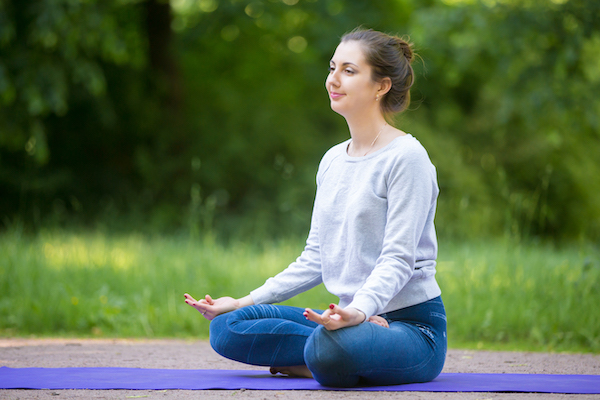
Practicing mindfulness and meditation cultivates awareness of the present moment, reduces stress, and enhances overall well-being. Mindfulness activities such as focusing on the breath, body scan meditation, and mindfulness-based stress reduction programs can effectively manage stress.
- Start with short meditation sessions, gradually increasing the duration as you become more comfortable.
- Find a quiet and comfortable space to sit or lie down without distractions.
- Focus on your breath, observing the inhalation and exhalation without judgment.
- Engage in body scan meditation, systematically bringing attention to each part of your body and observing any sensations or tensions.
- Consider participating in mindfulness-based stress reduction programs or using mindfulness apps to guide your practice.
Seeking Professional Help
In some cases, seeking professional help from therapists, counselors, or coaches can provide valuable guidance and support in managing stress. These professionals can offer personalized strategies and interventions to address stress-related issues and facilitate long-term well-being.
- Reach out to mental health professionals specializing in stress management or related areas.
- Discuss your concerns and symptoms openly and honestly to receive appropriate guidance and support.
- Work collaboratively with the professional to develop a personalized stress management plan.
- Attend therapy sessions consistently and actively participate in the recommended exercises and techniques.
Building Resilience and Emotional Well-being
Building resilience is crucial for effectively managing stress and preventing burnout. Resilience involves developing the ability to bounce back from setbacks, adapt to challenges, and maintain a positive outlook. Techniques such as cultivating optimism, practicing self-compassion, nurturing healthy relationships, and engaging in activities that bring joy can contribute to building resilience and emotional well-being.
- Cultivate optimism by focusing on positive aspects of situations and reframing challenges as opportunities for growth.
- In times of stress or difficulty, cultivate self-compassion by treating yourself with kindness and understanding. Prioritize self-care and extend the same compassion to yourself as you would to others.
- Nurture healthy relationships by maintaining strong connections with supportive individuals who uplift and inspire you.
- Partake in activities that bring joy and fulfillment into your life, such as engaging in hobbies, pursuing creative outlets, or spending time in nature. These experiences can nourish your well-being and add a sense of happiness and meaning to your daily routine.
- Foster a sense of gratitude by regularly reflecting on and appreciating the positive aspects of your life.
Work-Life Balance and Self-Care Practices
Ensuring a healthy work-life balance is essential for effectively managing stress and preventing burnout. It involves setting boundaries, prioritizing self-care, and making time for activities that promote relaxation and personal fulfillment.
- Establish clear boundaries between work and personal life, such as defining specific work hours and unplugging from work-related activities outside those hours.
- Prioritize self-care activities that nourish your physical, mental, and emotional well-being, such as practicing mindfulness, engaging in hobbies, or taking time for self-reflection.
- Make time for activities that bring you happiness, joy and fulfillment, whether spending time with loved ones, pursuing creative outlets, or engaging in recreational activities.
- Make it a habit to take regular breaks throughout the day to recharge and rejuvenate, even if it’s as simple as going for a short walk or practicing deep breathing exercises. These small pauses can provide much-needed moments of relaxation and renewal, allowing you to return to your tasks with increased focus and energy.
- Practice self-compassion and avoid perfectionism by accepting that it’s okay to prioritize self-care and ask for help when needed.
The Role of Positive Thinking and Gratitude
Positive thinking and cultivating gratitude can significantly impact stress management and overall well-being. By focusing on the positive aspects of life and expressing gratitude for the present moment, individuals can shift their mindset, reduce stress, and enhance their emotional well-being.
- Practice positive self-talk by challenging negative thoughts and replacing them with positive, affirming statements.
- Cultivate gratitude by regularly reflecting on and expressing appreciation for the people, experiences, and things in your life.
- Cultivate a gratitude practice by keeping a journal and consistently writing down three things you are grateful for each day. This simple act of acknowledging and appreciating the positive aspects of your life can enhance your overall well-being and promote a more optimistic outlook.
- Share your gratitude with others by expressing thanks and acknowledging their contributions or support.
- Surround yourself with positive influences, whether it’s through inspiring books, uplifting music, or supportive social connections.
Incorporating Mindfulness into Daily Life
Integrating mindfulness into daily life can promote present-moment awareness and reduce stress. By bringing mindfulness into everyday activities, individuals can enhance their focus, reduce distractions, and cultivate a sense of calm and clarity.
- Practice mindful eating by savoring each bite, and paying attention to flavors, textures, and sensations.
- Engage in mindful walking by being aware of each step, the feeling of the ground beneath your feet, and the surrounding environment.
- Incorporate mindfulness into routine tasks, such as washing dishes or taking a shower, by bringing full attention to the present moment and the sensations associated with the activity.
- Use reminders or cues throughout the day to bring you back to the present moment, such as setting the alarm or placing sticky notes in visible locations.
Strategies for Preventing Burnout
Preventing burnout requires a proactive approach to stress management and self-care. Individuals can prevent burnout and promote long-term well-being by implementing strategies to maintain a healthy work-life balance, setting realistic boundaries, practicing effective time management, and prioritizing self-care.
- Assess your workload and responsibilities to ensure they are manageable and aligned with your capabilities.
- Set realistic expectations and boundaries regarding your availability, workload, and responsibilities.
- Practice effective time management techniques, such as prioritizing tasks, delegating when possible, and avoiding over-commitment.
- Make self-care a priority by engaging in activities that bring joy, relaxation, and fulfillment.
- Regularly evaluate and adjust your priorities and goals to align with your values and overall well-being.
Conclusion
Mastering the art of stress management is essential for navigating the challenges of modern life and preventing burnout. By familiarizing themselves with the signs and symptoms of burnout, acknowledging the profound influence of stress on their health and well-being, and adopting effective stress management techniques, individuals can shift their lives from a state of burnout to a state of blissful well-being. Prioritizing self-care, building resilience, and fostering positive thinking are vital components of this journey. Remember, there is always time to start prioritizing your well-being and taking steps toward a more balanced and fulfilling life.
Frequently Asked Questions (FAQs)
Q1. How can I differentiate between stress and burnout?
A1. While stress is a normal response to demanding situations, burnout is a state of chronic stress characterized by emotional exhaustion, cynicism, and a reduced sense of personal accomplishment.
Q2. Can stress management techniques be effective in preventing burnout?
A2. Practicing stress management techniques can help prevent burnout by reducing stress levels, improving resilience, and enhancing overall well-being.
Q3. Is seeking professional help necessary for managing burnout?
A3. In some cases, seeking professional help can provide valuable guidance and support in managing burnout. Mental health professionals can offer personalized strategies and interventions tailored to individual needs.
Q4. What are some signs that indicate I may be experiencing burnout?
A4. Signs of burnout can include chronic fatigue, increased irritability, reduced motivation, difficulty concentrating, feelings of detachment or cynicism towards work, decreased productivity, and physical symptoms such as headaches or muscle pain.
Q5. How long does it take to recover from burnout?
A5. The recovery process from burnout varies for each individual and depends on various factors, such as the severity of burnout, personal circumstances, and the effectiveness of self-care and stress management techniques. Recovery can take weeks to months or longer, and it is important to be patient and prioritize self-care during the healing process.
Q6. Can stress management techniques benefit overall well-being, even if I am not experiencing burnout?
A6. Absolutely. Stress management techniques are beneficial for anyone looking to enhance their overall well-being. These techniques can help reduce stress levels, improve mental and physical health, increase resilience, and promote a more balanced and fulfilling life.
Q7. Are there any specific stress management techniques that are recommended for beginners?
A7. Yes, there are several stress management techniques suitable for beginners. Deep breathing exercises, progressive muscle relaxation, and mindfulness meditation are popularly recommended techniques that are simple to learn and can be practiced in any location or situation.
Q8. Can stress management techniques be used with other treatment methods for mental health conditions?
A8. Stress management techniques can be used as complementary strategies alongside other treatment methods for mental health conditions. They can provide additional support in reducing stress levels, improving coping mechanisms, and enhancing overall well-being. It is important to consult a healthcare professional to develop a comprehensive treatment plan that suits individual needs.
Q9. Are there any lifestyle changes that can help prevent burnout in the long term?
A9. Yes, making certain lifestyle changes can help prevent burnout in the long term. These include maintaining a healthy work-life balance, setting realistic goals and boundaries, prioritizing self-care, engaging in regular physical exercise, nurturing supportive relationships, and practicing stress management techniques consistently.
Q10. How can I implement stress management techniques in my daily life?
A10. Discover the stress management techniques that resonate with you and incorporate them into your daily life for effective stress management. Set aside dedicated time each day to practice these techniques, even for a few minutes. Make it a habit by incorporating them into your routine and gradually increasing the duration and frequency. Consider using reminders or setting specific goals to help you stay consistent with your practice.
